
Cognitive Offloading
Organizations tend to characterize artificial intelligence as a powerful productivity utility rather than a modality that alters how we interact with and comprehend information.
Music, Art & Engineering
Organizations tend to characterize artificial intelligence as a powerful productivity utility rather than a modality that alters how we interact with and comprehend information.

The transition from mechanical reproduction to digital transmission and artificial generation reveals a history of music production rooted in cultural disruption and democratization.

When Horowitz returned to the San Francisco Bay Area in 2000, he partnered with Hiroto Matsubara, a former systems engineer, to establish a spiritual community dedicated to mindfulness and the intentional, rather than reactive, use of technology…

The danger isn’t that the robots will take over the world, it’s that they will successfully take over the pointless administrative bureaucracy, and we will be so relieved to be rid of it that we won’t notice when the entire system becomes an impenetrable knot of nonsense.

The greater fool is an economic term. For the rest of us to profit, we need a greater fool — someone who will buy high and sell low.

In the elegant machinery of economics, supply and demand form a perfect circle—each feeding the other in a self-sustaining loop, like the smooth symmetry of a donut. In the new world of AI, the donut isn’t just missing its center—it’s crumbling from the inside out.

We are social animals. Our sense of self-worth is deeply tied to how we’re valued by society. While fear of economic insecurity is certainly real in modern society, most of us have a deeper anxiety of becoming irrelevant, of having nothing meaningful to offer in return for recognition or belonging. Despite what we think makes for a successful career, what we really crave is fairness and social validation; it’s a primal need to feel useful to the collective.

Is the system of money we use today working ? Are there are better alternatives on the horizon? There’s certainly a lot of talk about cryptocurrency. Can we learn anything from the gold standard about crypto’s potential to establish a new type of currency?

Today is Black Friday, the day where most of the citizens of the United States, after participating in a day of gorging on food and disposing most of it into the garbage get into their automobiles and swarm to various department stores to buy stuff they don’t need and justify it because the goods are supposedly deeply discounted, marking the beginning our annual mania of consumption of mass consumer products. In a 2019 study, it was estimated that 80% of these goods will end up in landfills.
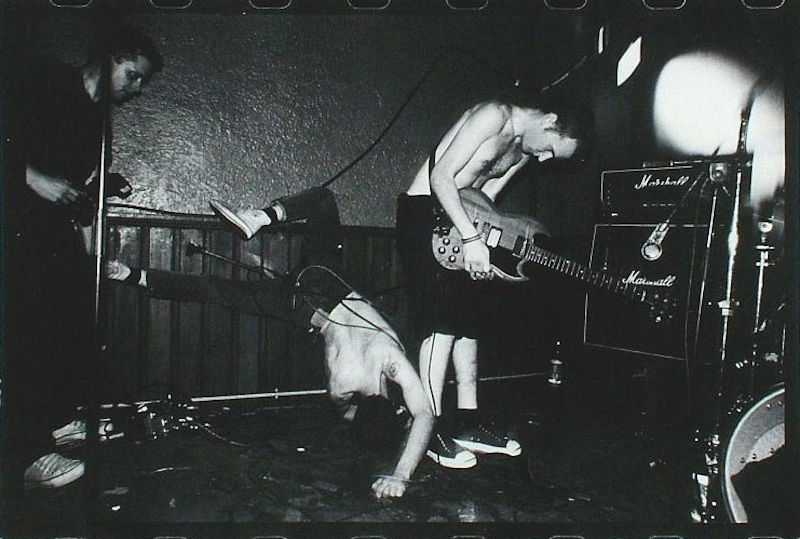
From straight-edge hardcore punk to modern wellness social media influencers, it’s been a long journey to make clean living cool again.
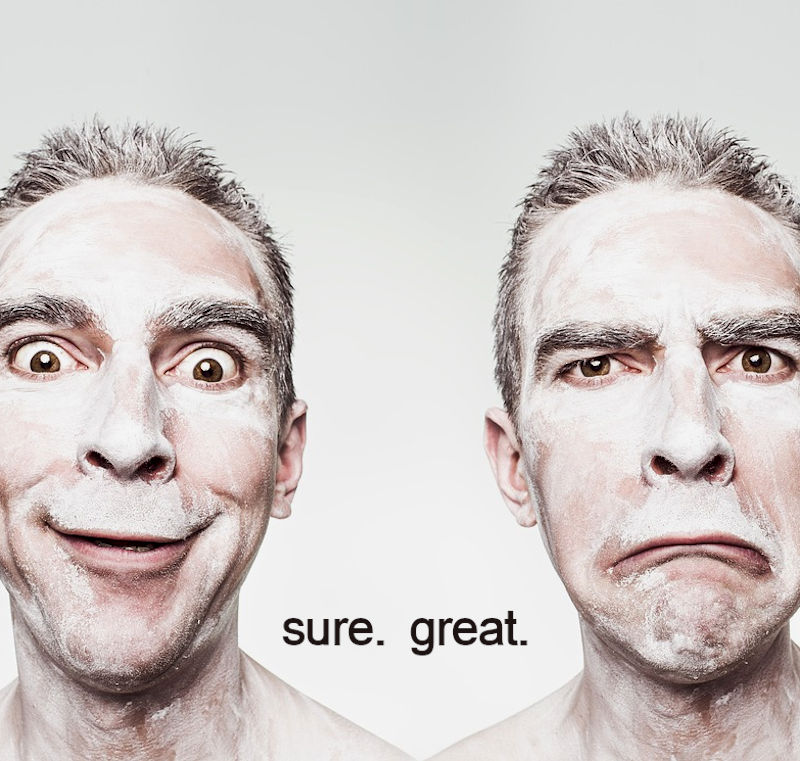
The ability to step into another’s shoes and understand their situation and challenges is a powerful trait that builds trust, faith and cohesion that is essential to the success of teams and organizations.

It’s not until you schedule an intentional “digital detox” that you’ll see how much compulsive behavior punctuates your life and how much willpower it will take to permanently change it.

It’s difficult to appreciate now, but from an audio production standpoint, almost everything about “The Joshua Tree” was antithetical to the prevailing norms of 1987.

Comparing AI models to human creative processes, considering why people like certain styles of music, and how lateral thinking tools can help us create more original music.

Perhaps the most important bias in our tone is the cognitive one.