
The Smart IF
We keep coming back to the fundamental problem that a probabilistic black box with a high hallucination rate cannot be used as part of a system where failure could lead to substantial liability.
Music, Art & Engineering
We keep coming back to the fundamental problem that a probabilistic black box with a high hallucination rate cannot be used as part of a system where failure could lead to substantial liability.

Building rails and cars doesn’t guarantee passengers. Do hyperscalers have a plan to generate the revenue to justify capital outlays and debt obligations over the next decade?

In the arms race of AI we’ve been betting on T-Rex when a murmation of starlings are forming beautiful waves on the horizon.
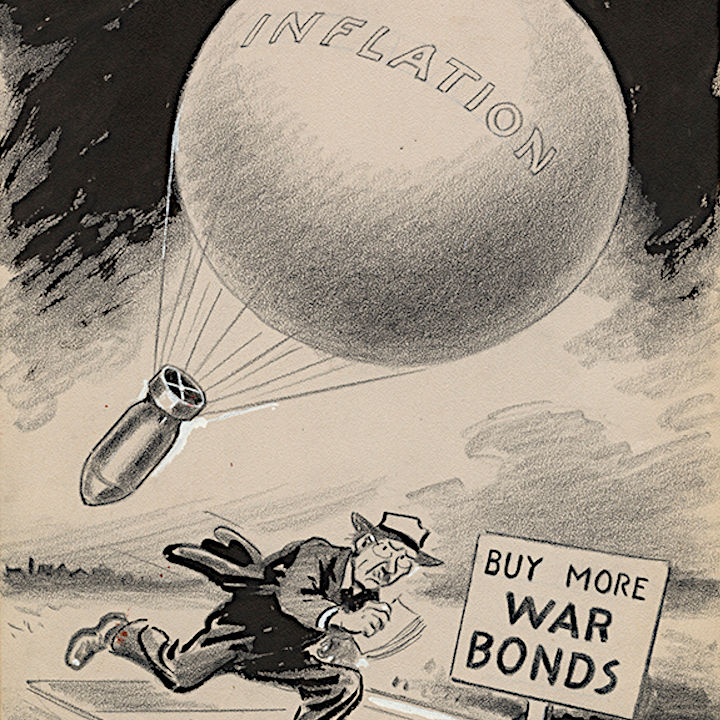
Stephen Miran’s economics will be tested by the forthcoming energy shock. Demand destruction could overwhelm the initial inflationary pulse.

Every market regime is different. We currently find ourselves faced with a strong and resilient US economy, historic equity prices, historic market participation, equity multiples we haven’t seen since the dot-com era, an inevitable global energy shock, a new level of energy independence in the Americas and a government that has too much debt to significantly raise interest rates to fight a stagflation scenario.

The transition from mechanical reproduction to digital transmission and artificial generation reveals a history of music production rooted in cultural disruption and democratization.

Like the Beverly Hillbillies, humanity spent millennia poking at the dirt with sticks until we accidentally punctured the crust and found a concentrated liquid battery.
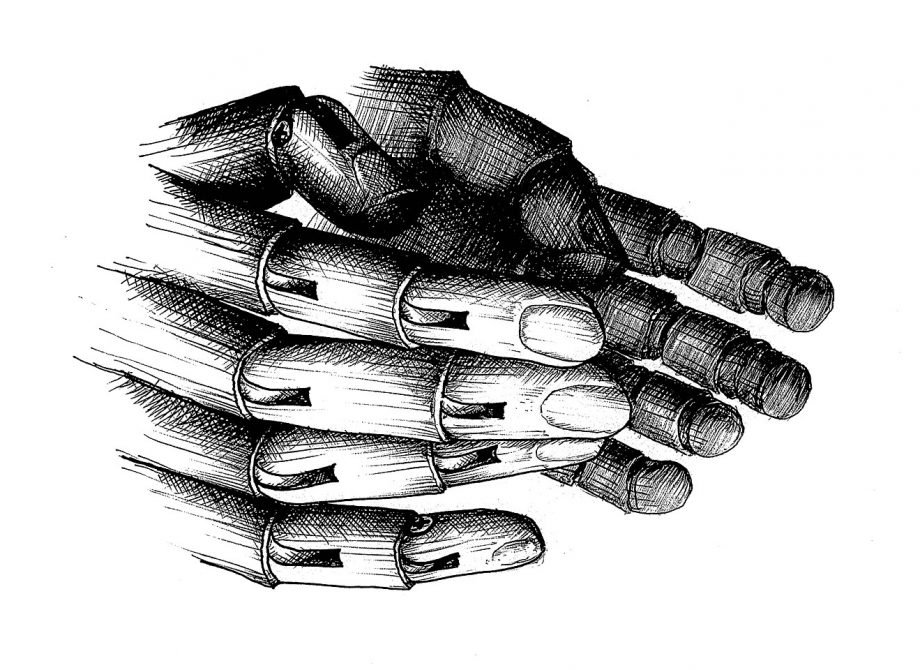
Does OpenClaw represent a Napster moment for AI?

The patience of investors who remained globally diversified and tilted to quantitative factors is being rewarded by a historic rotation.
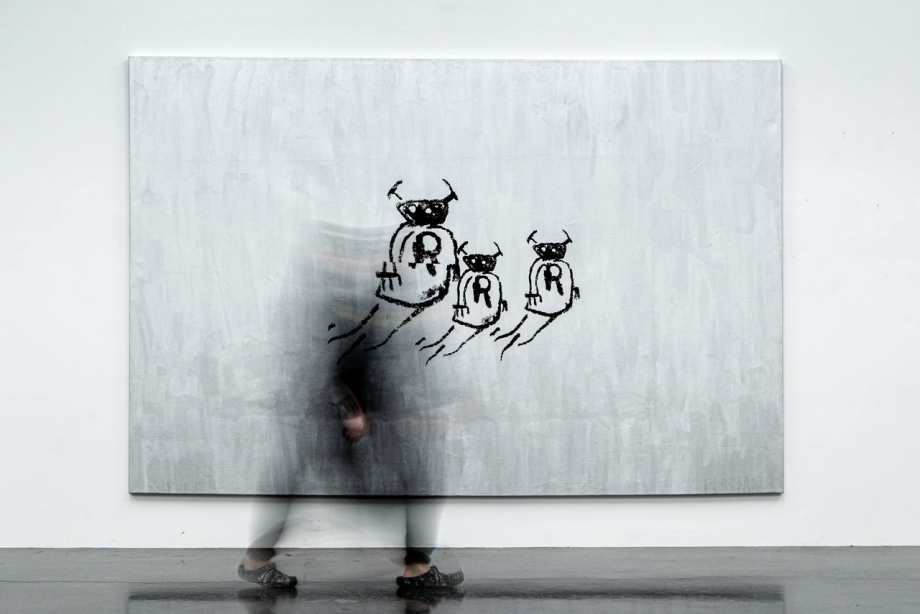
The danger isn’t that the robots will take over the world, it’s that they will successfully take over the pointless administrative bureaucracy, and we will be so relieved to be rid of it that we won’t notice when the entire system becomes an impenetrable knot of nonsense.

With all the talk of an AI bubble and unprecedented market concentration, is it time to look beyond the mega-cap stocks?
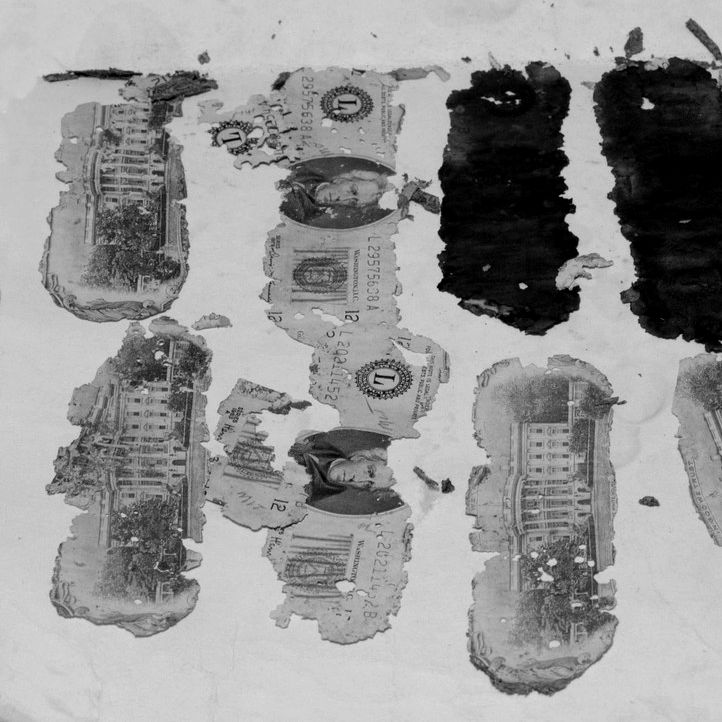
Once you strip away the illusion created by decades of inflation mismeasurement, assets may not be worth what we think.
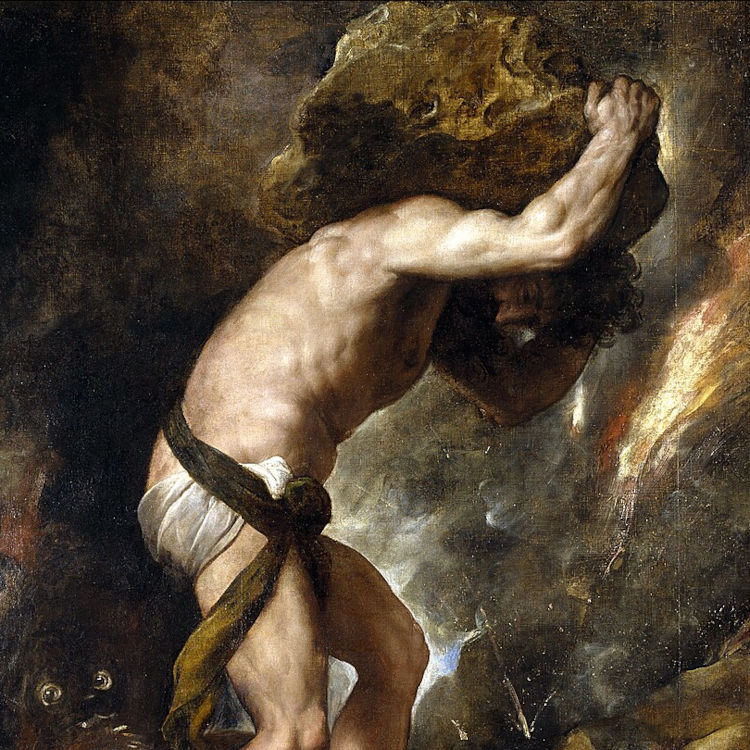
The consumer credit crisis has created a lag in recession signals by temporarily inflating credit scores and spending power, masking underlying financial distress. Similar dynamics preceded the 2008 financial crisis, where easy credit defaults led to a sudden collapse of the bull market.
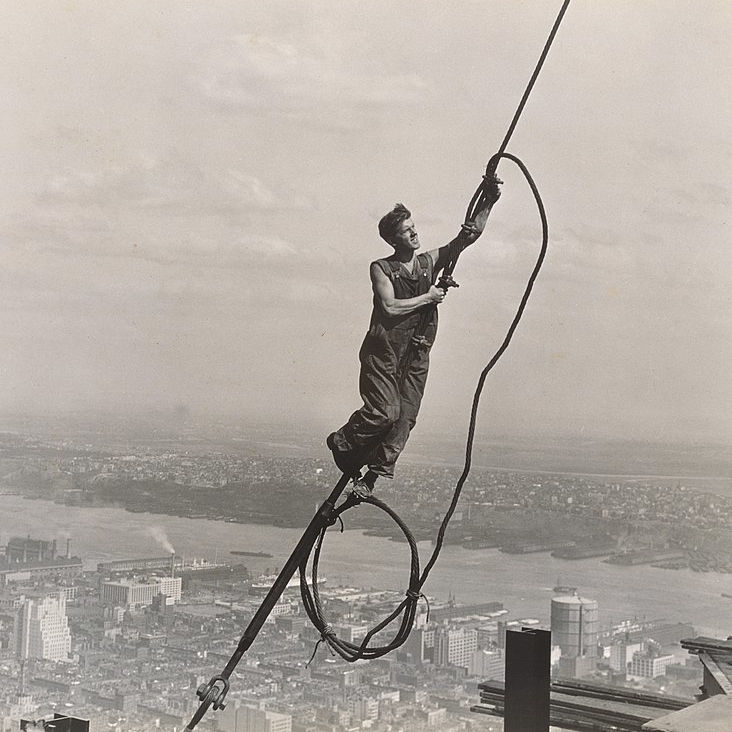
“Trees don’t grow to the sky,” they say. But there are substantial reasons to question whether the “new market” is like the old market, and redress its underlying mechanisms.

Will the underlying technologies of DeFi live up to the fervor and marketing hype, or will the technology inevitably be cast aside, a hollow shell of its ethos, living on in name only as its “brand power” is strategically co-opted by dominant interests?